F2C Programs
F2C Biogas
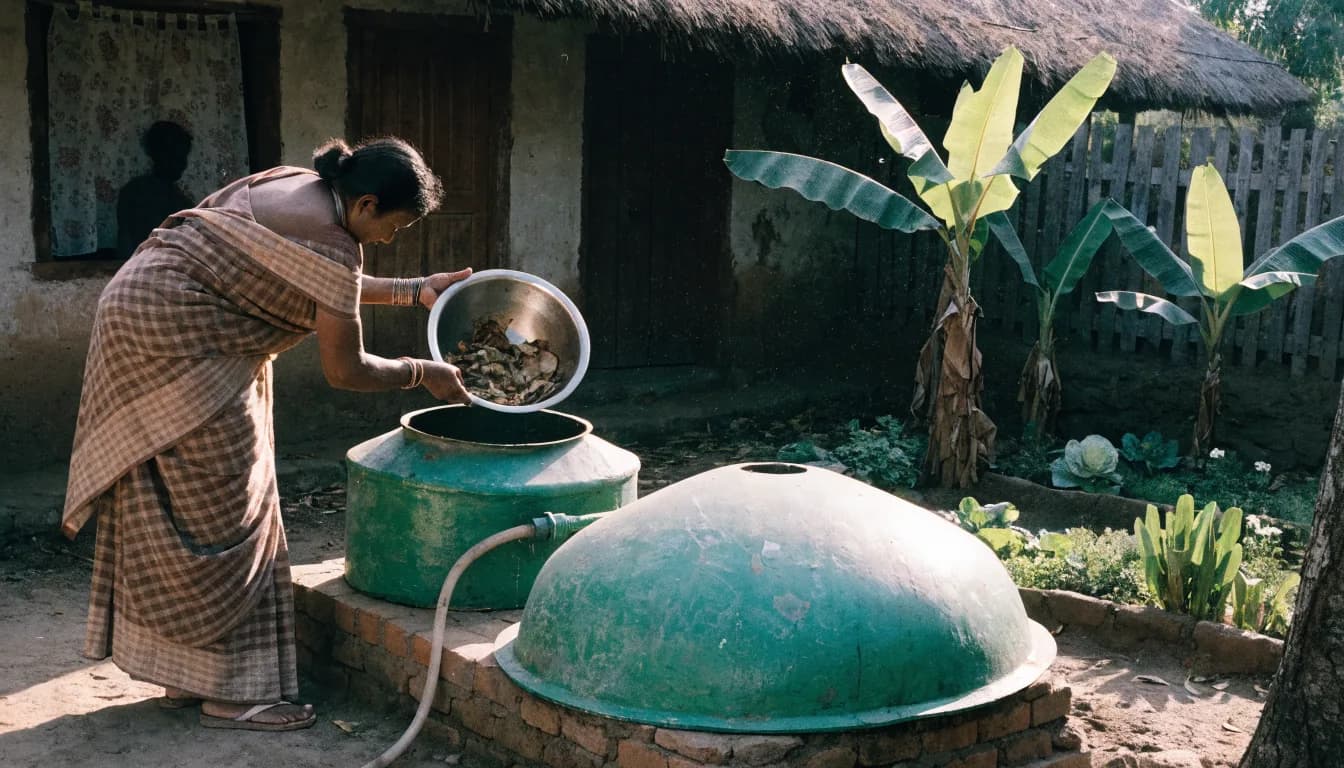
Turn your kitchen waste into two hours of cooking gas a day, and compost for the garden.
Domestic units · installed for youEvery home in Chennai throws out two or three kilos of vegetable peel, rice water and leftovers a day. Sent to a landfill it rots and releases methane into the air. Kept at home, that same waste gives you gas to cook with and manure to grow with. Our unit is the simple kind: a sealed bag that fills with gas as it works, a funnel at one end and an outlet at the other. No tank to build, no moving parts, nothing to plug in. F2C supplies them, installs them and shows you how to run one.
How it works, start to finish
Four steps, and the last one feeds back into the first.
 1
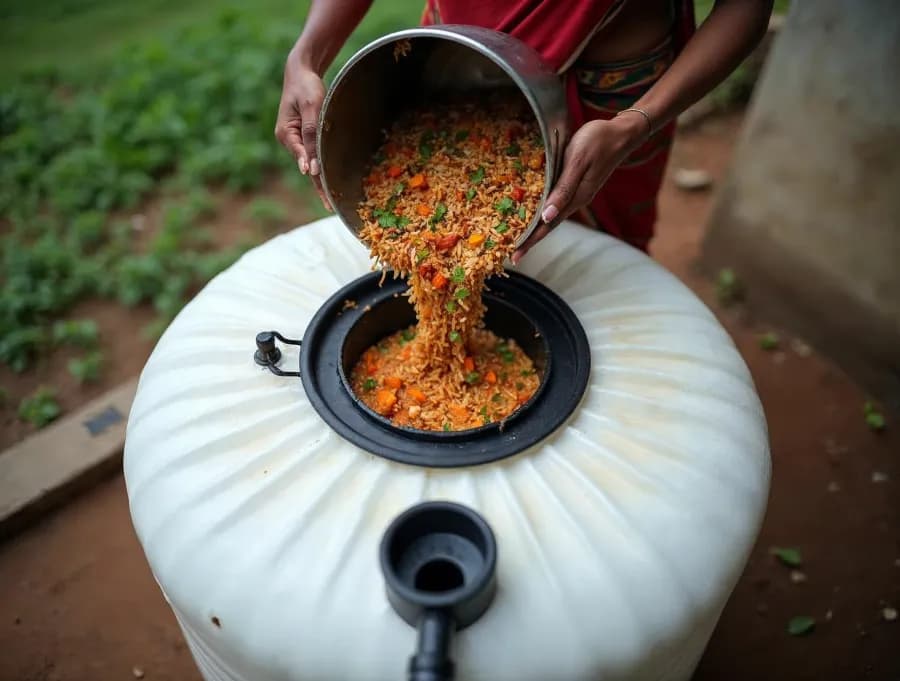
1Kitchen waste in
Sambar, rasam, rice, peels. About 2–5 kg a day, poured into the funnel with water.
 2
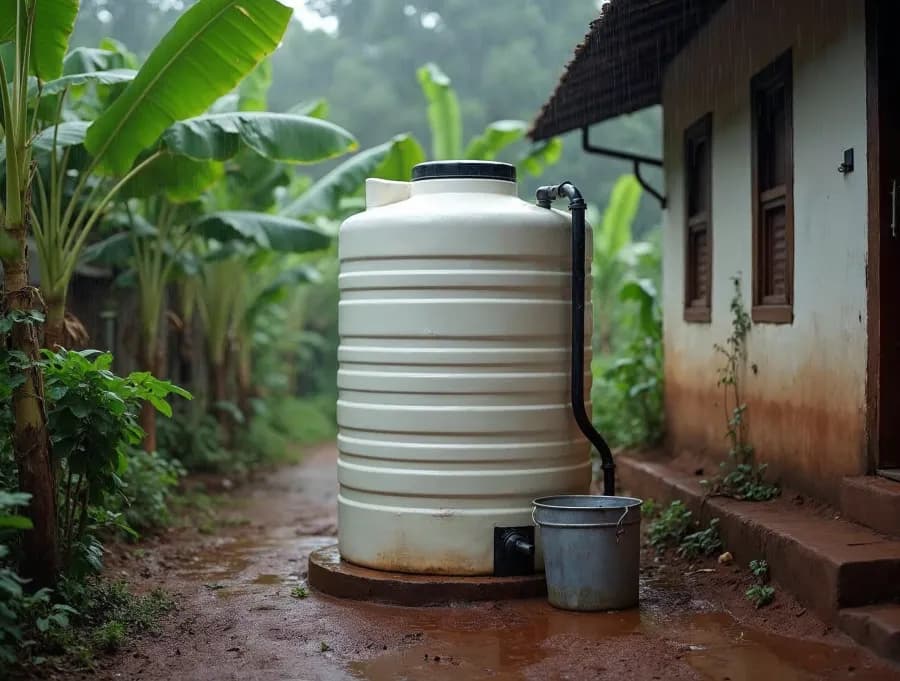
2Bacteria break it down
Sealed from the air, anaerobic bacteria digest it. No power, no moving parts. Allow 45 days.
 3
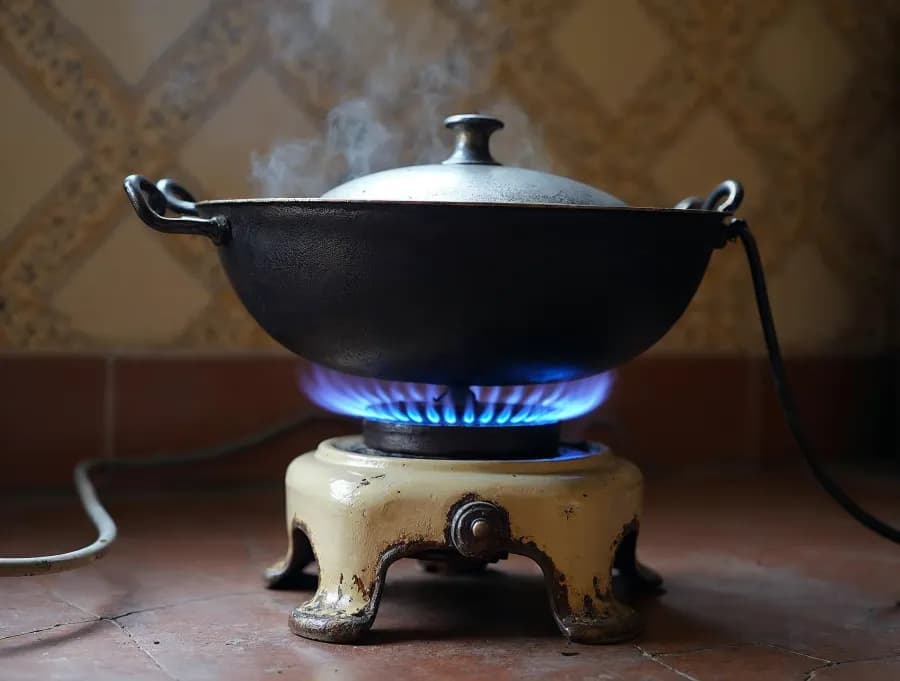
3The bag fills with gas
Methane gathers in the bag and runs down a pipe to your burner. Two hours of cooking a day.
 4
4Slurry feeds the garden
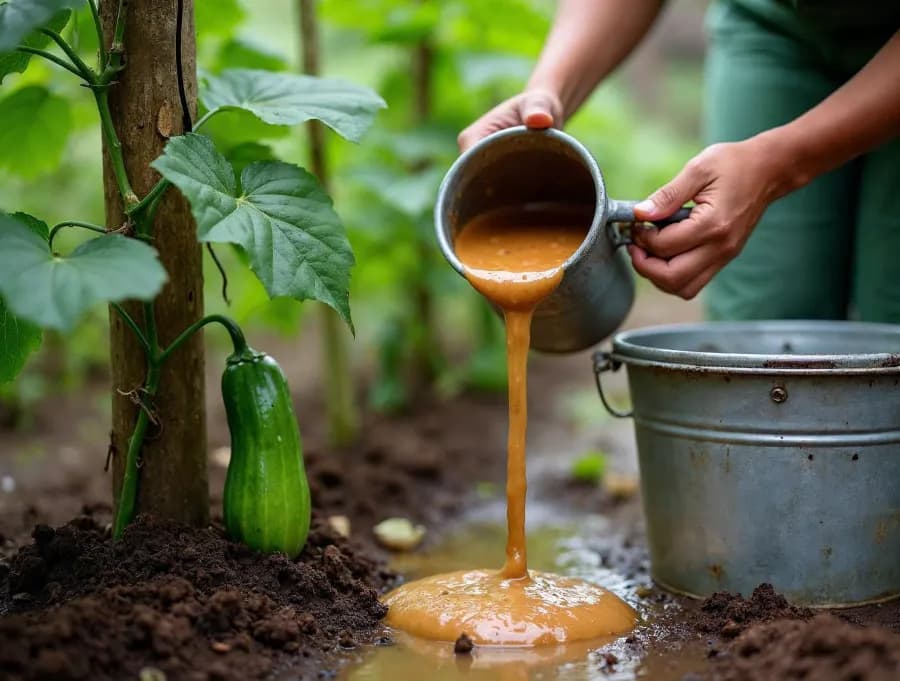
Finished organic manure. Dilute it about ten times with water and feed your plants.
The compost grows the vegetables whose peels start it again.
1. What you put in
Only kitchen waste. Leftover sambar and rasam, cooked rice, vegetable peels, fruit skins, spoiled milk, the water you washed the rice in. No plastic, no glass, no metal, no bones or hard shells. Two to five kilos a day suits a household unit. You pour it into the funnel with water and that is the whole daily job, about two minutes.
2. What happens inside the bag
The bag is sealed, so no air gets in. Inside, anaerobic bacteria, the kind that live without oxygen, eat the waste. It is the same process that goes on in a cow's stomach, which is why the earliest units ever built ran on dung. As the bacteria feed they break the food down into two things: a gas and a wet residue. Nothing is burned and nothing is added. It only needs warmth, and Chennai has no shortage of that.
- Sealed bag, no oxygen, no smell when it is running properly
- Anaerobic bacteria do all the work, no electricity, no moving parts
- Allow around 45 days from starting a new unit before it is producing properly
3. The gas that comes off
The gas gathering in the bag is mostly methane, the same thing that burns in an LPG cylinder, mixed with carbon dioxide. You can watch the bag swell as it collects. It rises on its own, so there is no pump; a pipe carries it from the top of the bag to a burner in your kitchen. It lights with a match and burns with a blue flame, exactly like the stove you already use, and it burns hot, our members find it comes to the boil faster than the cylinder does.
4. Two hours of cooking, every day
A household unit, fed properly, gives about two hours of gas a day. That covers morning tiffin and the evening meal for most families, or a full lunch cook. It will not replace your cylinder outright and we won't pretend otherwise, but it takes the daily cooking off it, and most families find their cylinder lasts two to three times longer.
5. The slurry is the real prize
What is left when the bacteria have finished runs out of the outlet as slurry, and the farmers we work with will tell you plainly that this, not the gas, is the valuable half. It is a complete organic manure, already broken down, so plants take it up at once without burning the roots. Dilute it about ten times with water and pour it around them. The difference in how things grow is not subtle.
- Dilute roughly 1 part slurry to 10 parts water
- 100% natural manure, no chemicals at any stage
- Closes the loop, your food waste goes back into growing your food
6. What it actually changes
Your kitchen waste stops leaving the house. Your gas bill drops. Your plants get fed for free. And the methane that would have gone into the atmosphere from a landfill gets burned in your kitchen instead, which is a great deal better for everyone. It is the smallest possible version of what F2C is about: the thing you already have, used properly, with nobody in between.
7. Getting one at your home
F2C supplies domestic units and installs them. You need a strip of open ground that gets sun, close enough to the kitchen to run a gas pipe, and a household that cooks every day. We lay the bag, run the line, and stay with you through the first six weeks while the bacteria establish. Installation is also taught as part of our life-skills training, so members can go on to fit units for other people.
- Site visit first, some homes suit it better than others
- Installation and first-month support included
- Apartments and community blocks, ask us, larger shared units are possible
Ask about a unit for your home
Tell us where you live and how many people cook there, and we'll tell you honestly whether a biogas unit makes sense for you.
Other F2C programs

Martial Arts & Life Skills
Adimurai, Silambam and the older knowledge that goes with them, taught to children and adults by F2C farmers.
Educational & Nature Trips
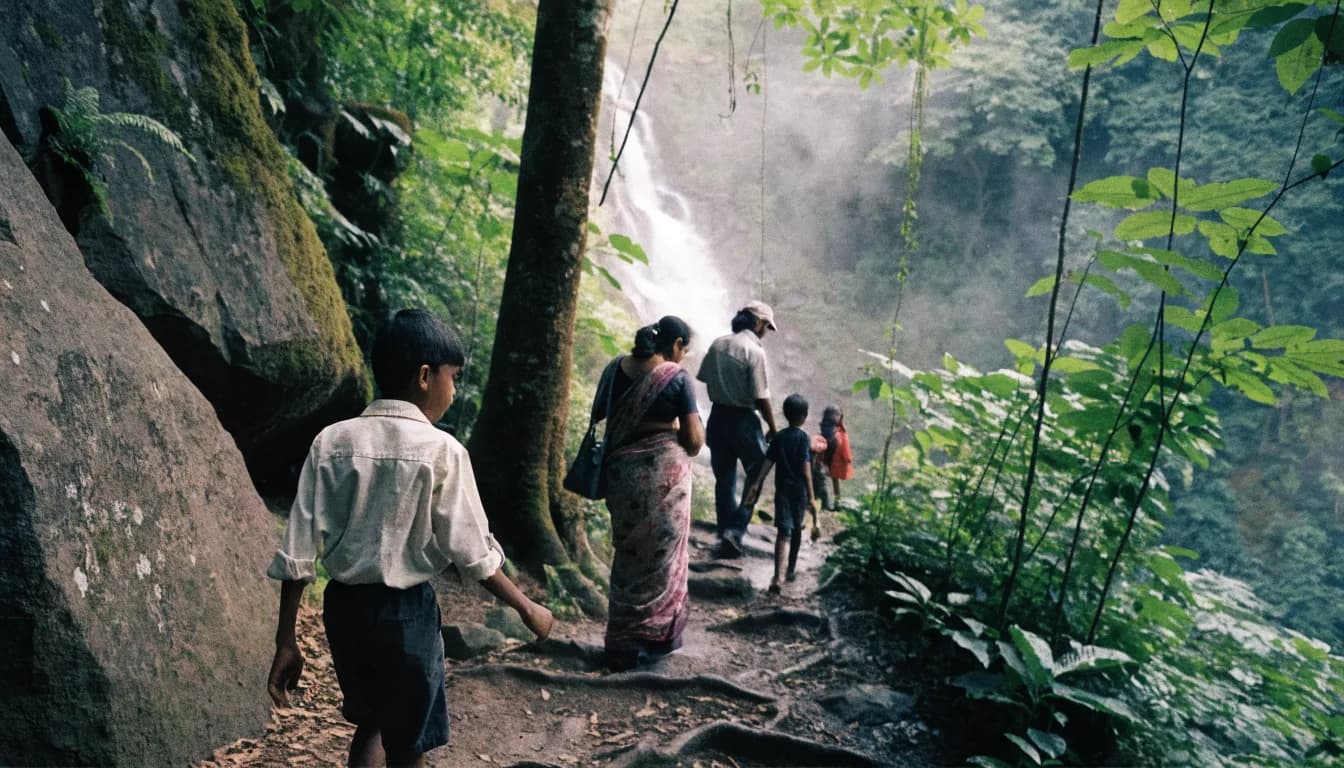
Three days in the hills at our own forest school, and visits to the farms your food actually comes from.
F2C Community Kitchen
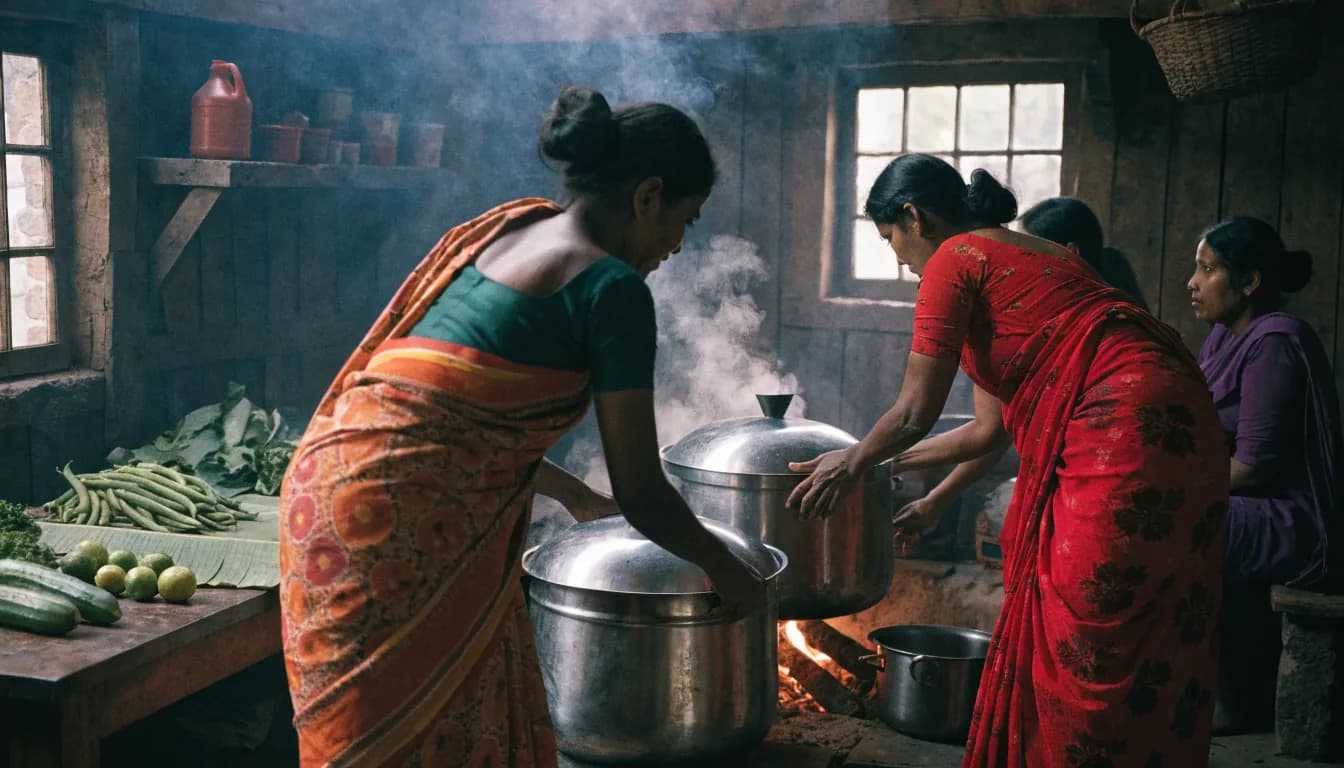
The gravies and fries, cooked from the same farm produce you already order. You make the rice.