F2C Programs
F2C Martial Arts & Life Skills
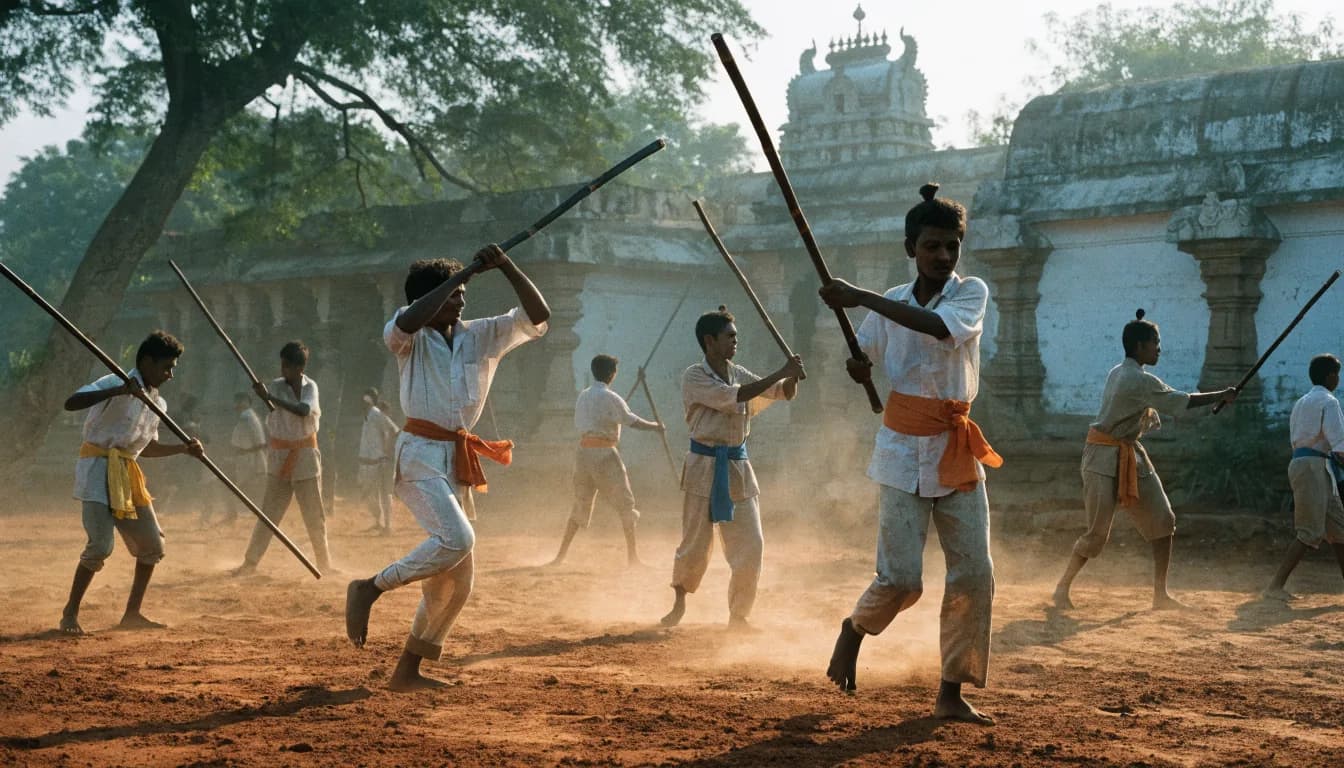
Adimurai, Silambam and the older knowledge that goes with them, taught to children and adults by F2C farmers.
21 grades · all agesIt would be easy to call this a martial arts class, and it would be wrong. The fighting arts are the visible half; the rest is everything a person used to learn growing up in a village and mostly doesn't any more. How to defend yourself, yes, but also how to cook, how to build, how to grow, what to do with what you'd otherwise throw away, and what actually counts as wealth. We teach both halves together, because they were never separate.
The fighting arts
Adimurai is the striking and locking art, built on varma points, the pressure points of the body. Silambam is the long bamboo staff, fought at distance with speed and footwork. Alongside them come Mallarkambam for grip and core strength, and Kusthi and Kattan Kusthi, the wrestling forms. Underneath all of it sit forty-six traditional games, the ones village children used to play, which is how reflexes and body awareness get built before anyone throws a strike.
- Adimurai, strikes, locks and varma point knowledge
- Silambam, the bamboo staff
- Mallarkambam, pole and rope work
- Kusthi and Kattan Kusthi, the wrestling forms
- 46 traditional games as the foundation
You learn to strike, and you learn to undo it
This is what separates Adimurai from a striking sport. A varma strike lands on a specific point, and the same map that tells you where to hit tells you how to release it again, so the art is taught in both directions at once, and slowly, because half of it on its own would be dangerous. Out of that same knowledge comes the treatment practice, hands-on therapy worked over roughly two and a half hours a session, taught inside the syllabus rather than beside it.
Who it's for
Children from about six, teenagers, and adults who have never trained before. The first grade is literally called Mazhalai Veeran, the toddler warrior, and it assumes you know nothing. Training is on open ground, barefoot, early in the morning. There's no equipment to buy to begin with.
How the grading works
Each grade carries a fixed number of training days, from 21 at the first three levels to 90 at the last three. You aren't moved up on age or on fees, you're moved up when you can do the syllabus. The sash colour changes every three grades, so the ladder below is really seven stages of three. Reaching white takes years, and that's the point.
The life-skills half
The other half of the programme is what a person used to learn growing up in a village and mostly doesn't any more. We don't teach children about money, we teach what they can actually do: ten cows are wealth if you can milk them, five acres are wealth if you can farm them. Somebody taught properly comes out able to start something, not just to join something.
- Cooking taught properly, to boys and girls alike, in two or three days
- Coconut shells, seeds and rind saved and used, so almost nothing leaves the house as waste
- Native rice, the old medicine and reading the sky, the knowledge that goes in one generation if nobody hands it on
Making things with your hands
Every craft here is taught by somebody from the F2C network who does it for a living, not by a demonstrator. You leave having made the thing yourself.
- Coconut shell crafts
- Bamboo and palm products
- Stone sculpture
- Handloom weaving
- Beekeeping
- Biogas installation
- Homemade soap
- Wooden toys and stools
Where it leads
For some members these stay hobbies. For others they turn into work: a nursery, a small organic shop, a handloom or craft business, biogas installation, beekeeping for honey. F2C members already run all of these. We'd rather teach a trade than hand out a certificate.
See it for yourself
Footage from our own training sessions, not a promotional shoot.
Adimurai, unarmed
Close-quarters strikes, locks and takedowns demonstrated in the hall.
Paired practice
Attack and counter worked through slowly, the way it's first taught.
Silambam, the staff
Footwork and staff work at speed during a demonstration.
Your teacher
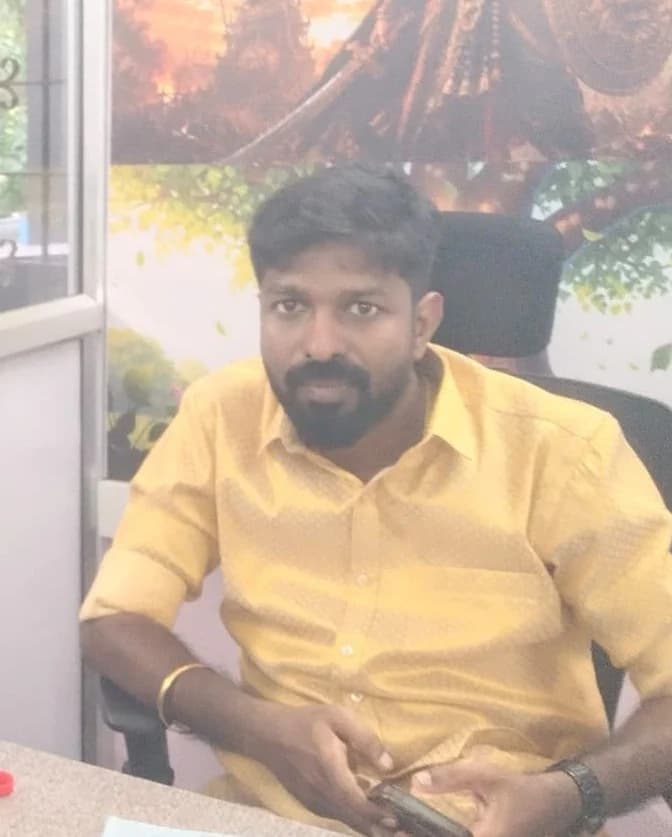
Selvan
Training is led by Selvan, who came up through this same grading, and who farms alongside the rest of the F2C network. He teaches the way he was taught: on open ground, barefoot, correcting one stance at a time. Come and watch a session and you'll meet him.
The 21 grades
Three grades to a sash, seven sashes in all. The number of training days is fixed for each stage, and you move up when you can do the syllabus, not before.
- 1
மழலை வீரன்
Mazhalai Veeran
- 2
வீரன்
Veeran
- 3
மாவீரன்
Maaveeran
- 4
இளமல்லன்
Ilamallan
- 5
மல்லன்
Mallan
- 6
மாமல்லன்
Maamallan
- 7
சூரன்
Sooran
- 8
அசுரன்
Asuran
- 9
ஈ-சூரன்
Ee-Sooran
- 10
ராவணன்
Ravanan
- 11
ராஜராஜன்
Rajarajan
- 12
பரணி வீரன்
Parani Veeran
- 13
களரி வீரன்
Kalari Veeran
- 14
பரந்தலை வீரன்
Paranthalai Veeran
- 15
முதுநில வீரன்
Muthunila Veeran
- 16
அருகன்
Arugan
- 17
மூத்தோன்
Moothon
- 18
ஆசான்
Aasaan
- 19
அகத்தியர்
Agathiyar
- 20
திருமூலர்
Thirumoolar
- 21
சித்தர்
Siddhar
Grading follows the Varmakalari Adimurai World Federation, வர்மக்களரி அடிமுறை உலகக் கூட்டமைப்பு.
What you learn first
The full syllabus for grade one, மழலை வீரன், twenty-one days of training. It assumes you have never trained before.
Stances · நிலைகள்
- சமநிலை
- பிரிவுநிலை
- தயார் நிலை, வலதுகால் முன்னிலை
- வட்ட நிலை
- பக்கவட்டு நிலை, வலது + இடது
- முன் கால் முண்டா நிலை, வலது + இடது
Kalari movements · களரி அடவுகள்
- முன் தடை இடி
- உச்சி வெட்டு, பள்ளை வெட்டு
- வெளிச்செவி காலடி
- உள்செவி காலடி
- முன் செவி முண்டா
- பின் முண்டா
Footwork · சுவடு
- வெட்டு நிலைச்சுவடு
- பட்டுப் பிரிவுச்சுவடு
- ஒளிவுப் பிரிவு துள்ளுமுறிச்சுவடு
Silambam basics · சிலம்பம் அடிப்படை நிலைகள்
- சமநிலை
- தயார் நிலை
- ஓய்வு நிலை
Come and watch a session
The easiest way to understand it is to stand at the edge of the ground for twenty minutes on a training morning. Call us and we'll tell you where and when.
Other F2C programs
F2C Biogas
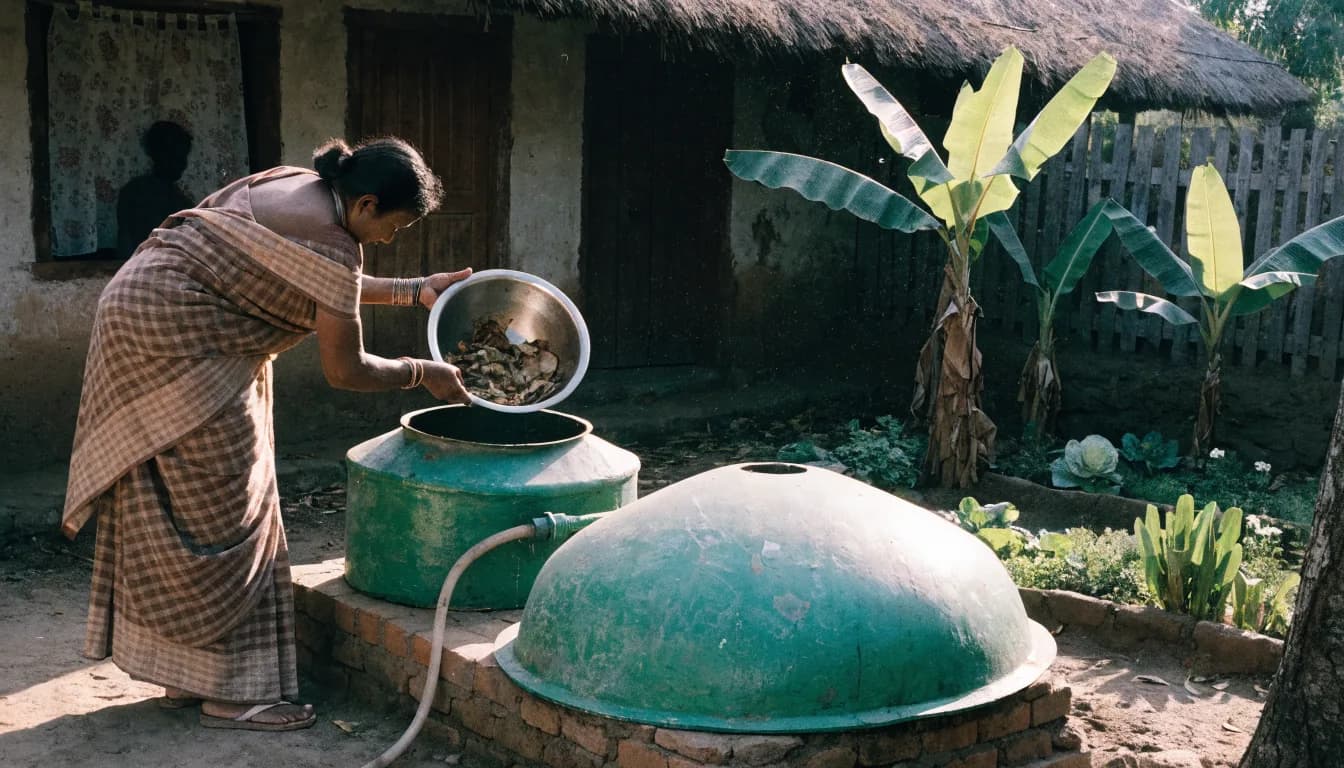
Turn your kitchen waste into two hours of cooking gas a day, and compost for the garden.
Educational & Nature Trips
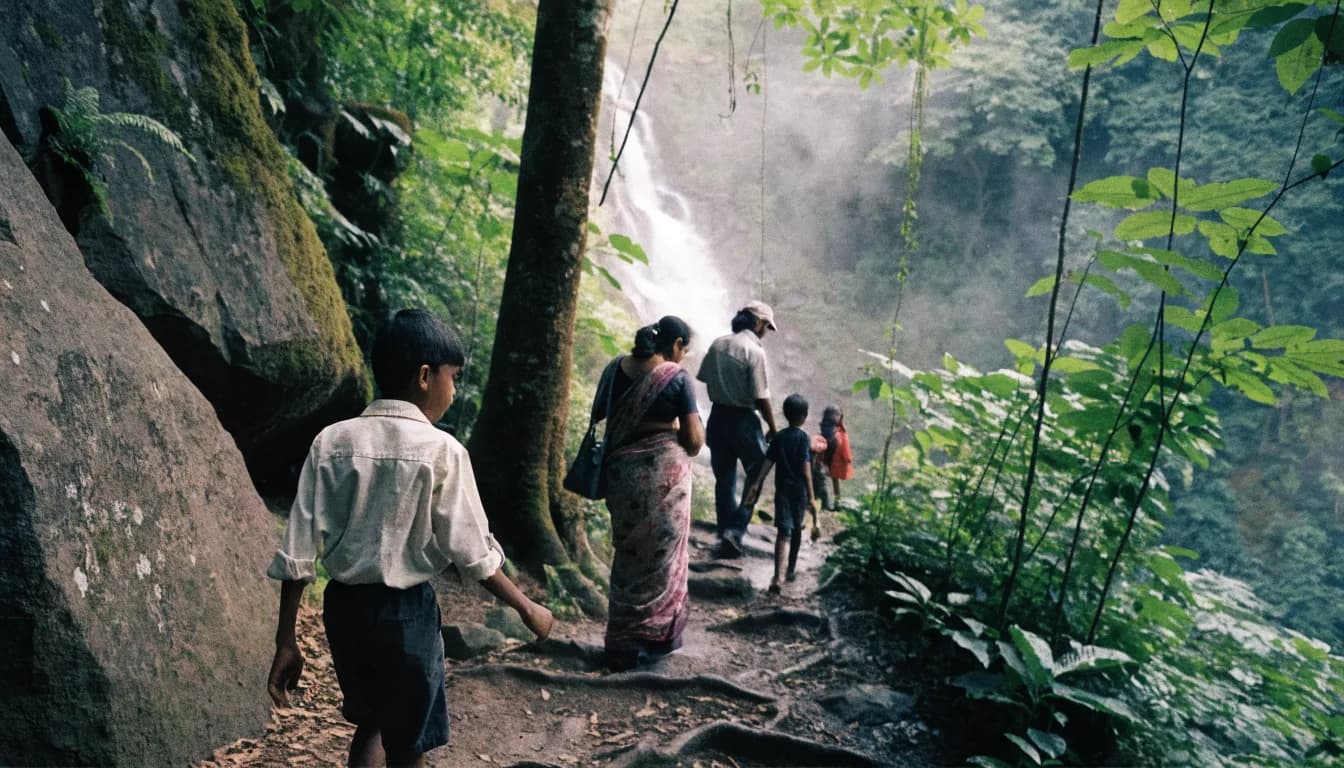
Three days in the hills at our own forest school, and visits to the farms your food actually comes from.
F2C Community Kitchen
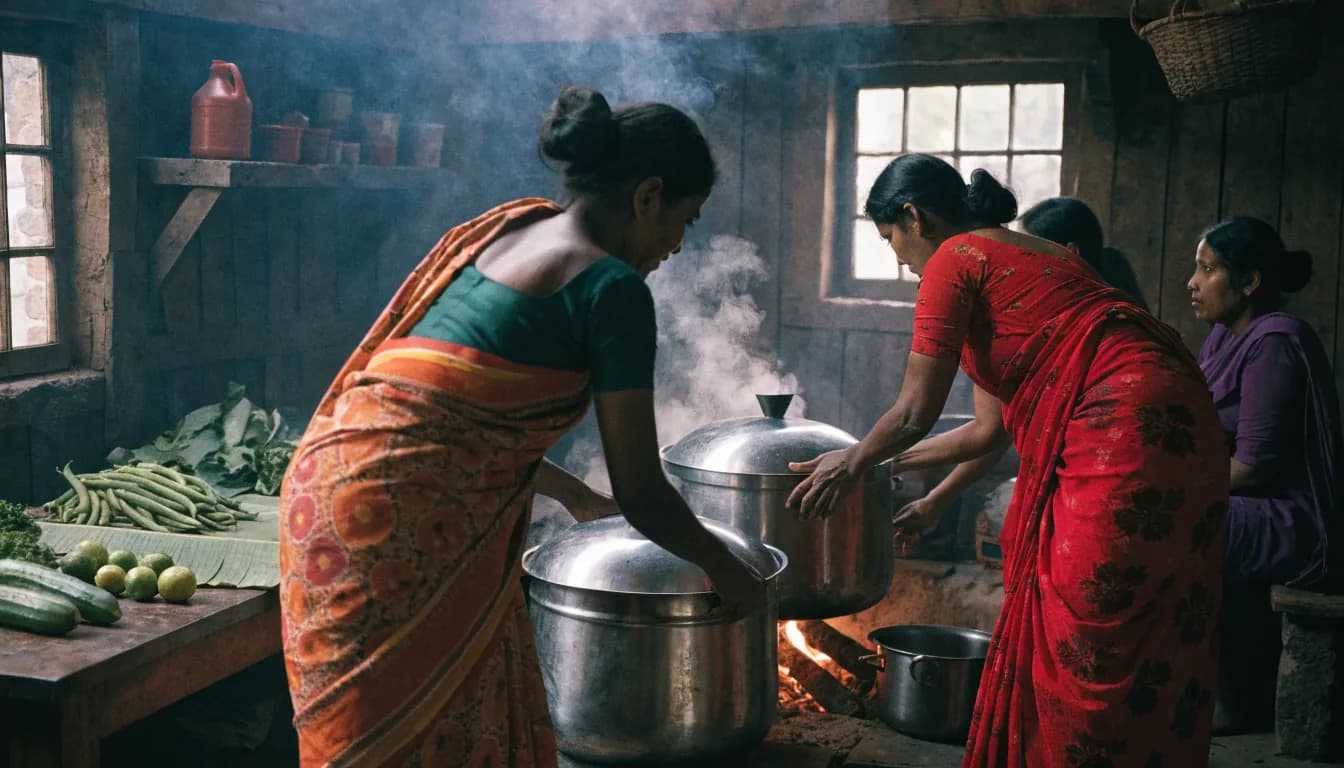
The gravies and fries, cooked from the same farm produce you already order. You make the rice.